What We Do

The Solidarity Coalition provides integrated disaster health care and community support to ensure access to essential healthcare services for individuals and communities in need, bolster resilience, and improve well-being into the future.

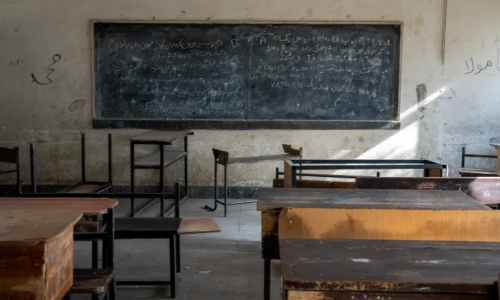
education

Local Capacity Building and Support for Front-line Workers

Local Capacity Building and Support to ensure increased community-led services that reflect the local culture, maintain sustainability, and strengthen community resilience:

  • Developing and implementing a comprehensive, certified Mental Health/Psychosocial Skills Training curriculum, and providing on-going assistance, mentorship, and supervision to local trainees to support and sustain a growing pool of local skilled service providers that invests in empowering the local community, for the immediate and into the future. Providing medical skills training as well. Formal certified skills training also supports professional development and formal vocational credentials of local service providers and NGO staff throughout the region for the long term.
  • Building and maintaining close partnerships with local service NGOs and providing on-going psycho-emotional support and mentoring to front-line service workers living and operating under extraordinarily stressful conditions to help prevent 2ndary trauma and burn-out.

Mental Health / Psychosocial Treatment

Trauma-Informed and Culturally-Informed Direct Treatment:
Adapting, developing, and implementing best practice service models and methods that are trauma-informed, culturally appropriate, evidence-based, interdisciplinary, eclectic, and whole-person.
Approaches are inclusive of existing traditional and spiritual healing practices incorporated and integrated as bridges – particularly to mental health care – and formulated within the context of the community’s culture and worldview, the experience at the individual and communal level, and the unprecedented characteristics and dynamics of widespread, systematic trauma and loss directed against the entire civilian population.
mohamad-azaam-UBWYPCilgGk-unsplash
medical-support

Medical Support

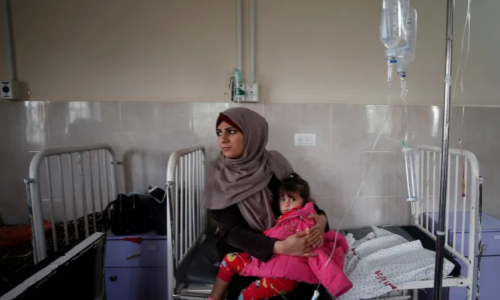
We offer essential medical support to improve access to basic healthcare services. Our work focuses on prevention, treatment, and health awareness, ensuring people receive timely and compassionate care when they need it most.

Public Mental and Medical Health Education

Developing and providing public mental and medical health educational approaches and materials to the general public, as well as self-help personal skills training programs and tutorials, both on-site and remotely:
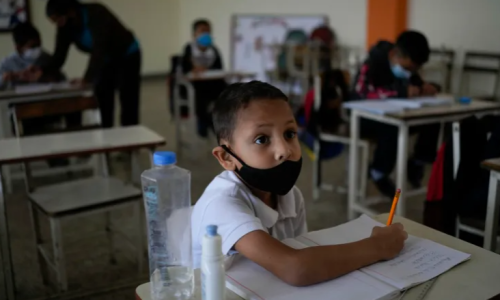

  • Grounded in the local cultural, language, and spiritual context. 
  • Built on existing community strengths to support understanding symptoms that endorses an individual’s inner sense of wellness, and a healthy experiential perspective of normal people experiencing and responding to abnormal conditions.
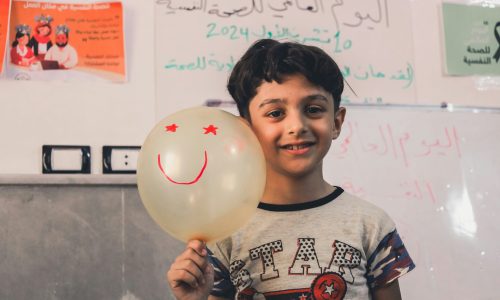
  • Geared to both the general population and specific populations, such as children and teens, to support individual and communal healing, self worth, strength, re-empowerment, and resilience. 
health-education
impact

Mapping and Research

Mapping the local need, service, and resource landscape to create a searchable database of services for

  • Better informed access by service recipients seeking help near them.
  • Strengthen referral, coordination, and follow-up between local and international NGOs.
  • Overall improved strategic service planning and coordination between NGOs. 

Research for:

  • Evaluating the efficacy of service models and methods for the intended population.
  • Informing innovative and improved individual and communal healing and resilience building interventions. 
  • Increasing professional and lay public awareness and understanding of individual and communal trauma (including transgenerational trauma), and the role of unresolved trauma’s influence on future functioning and adaptability to stress.
  • Supporting humanitarian policies and response protocols.
  • Understanding patterns and warning signs for early interventions to prevent future violence to non-combatant populations; and prevention of denial or revisionism that increases the risk of future victimizations.

2025. All rights reserved